Glozair Stories · Heritage
Markets, a shared history
Long before shops and screens, people met at the market to trade, talk and share news. Seven moments that shaped the stalls you still visit every week.
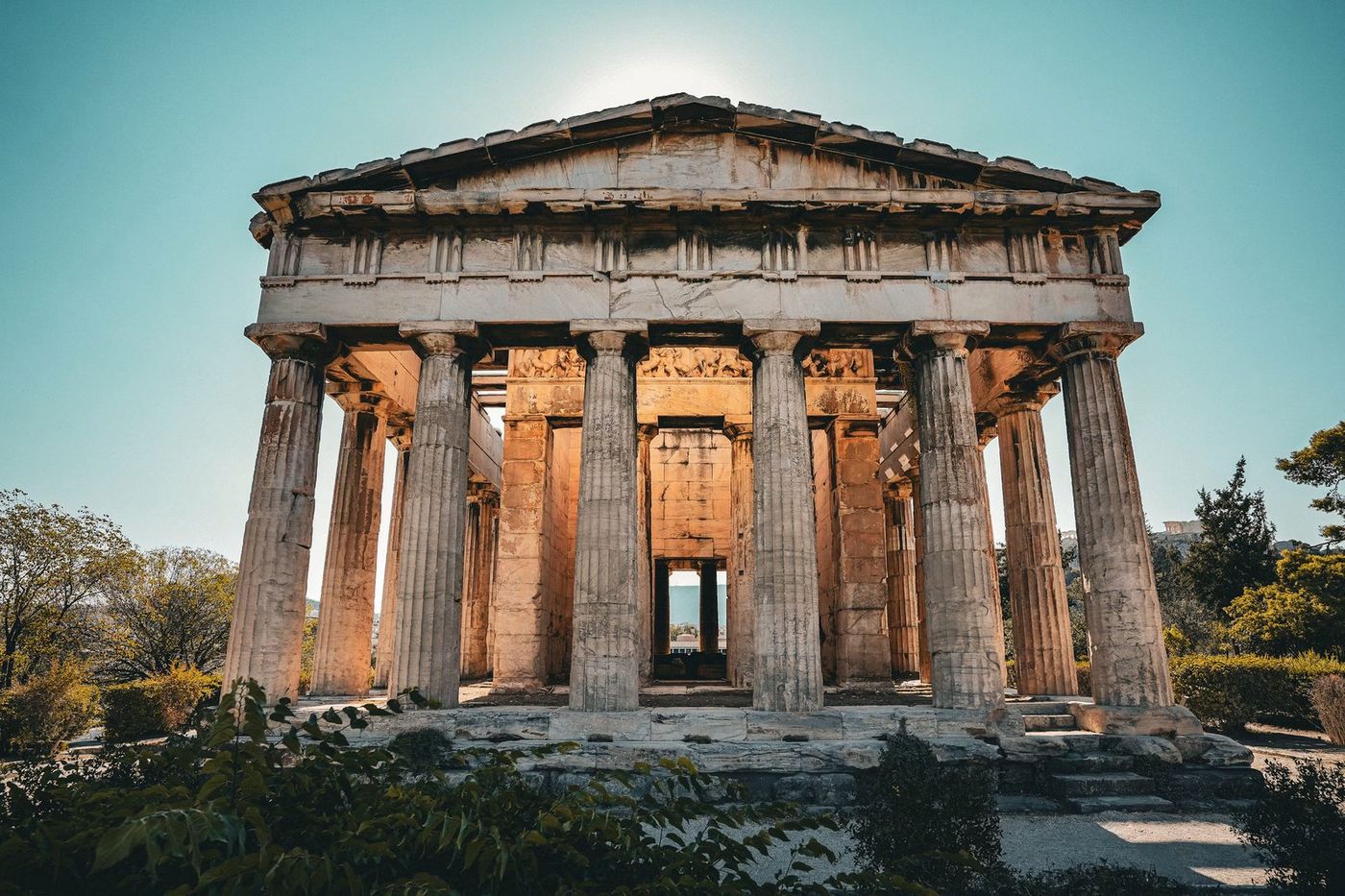
Temple of Hephaestus, overlooking the Agora of Athens 6th century BC
Antiquity · Athens, Greece
The Agora, heart of the city
In Athens, the Agora was at once a marketplace, a meeting point and the seat of political life. Citizens bought olive oil and pottery there, then stayed to argue about the laws of the city.
Still there todayThe ruins of the Agora and the Temple of Hephaestus still stand below the Acropolis.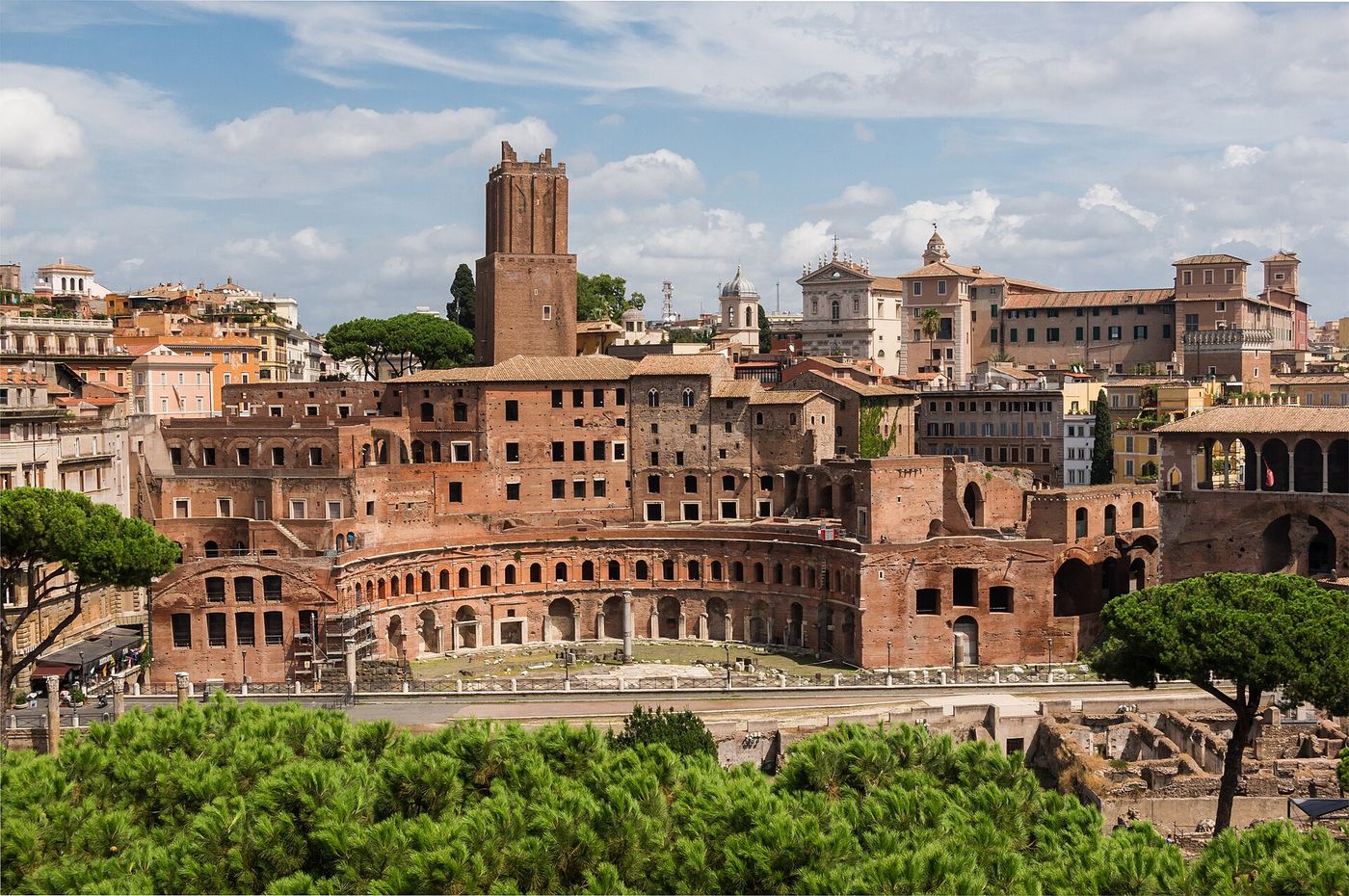
Trajan’s Market, Rome Around 110 AD
Roman Empire · Rome, Italy
Trajan’s Market, the first mall
Emperor Trajan had a vast brick complex built next to his forum, with shops for wine, spices and fish. It is often called the oldest shopping centre in the world.
Still there todayThe building is now a museum in the centre of Rome.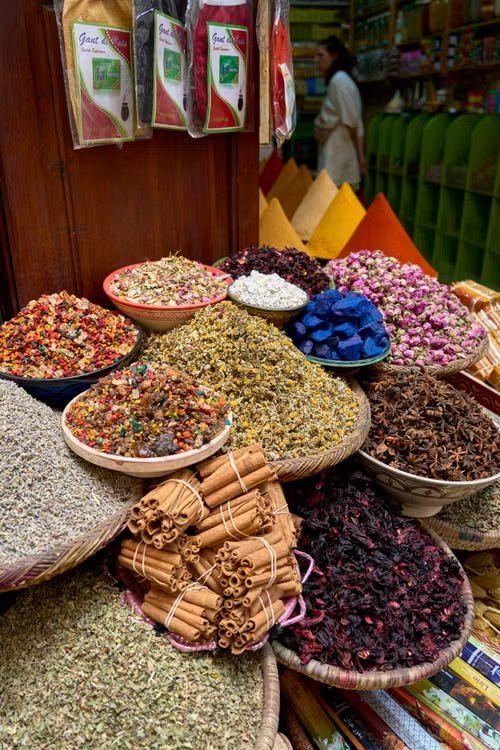
Spice stall in a souk From the 11th century
Trade routes · Marrakech, Morocco
The souk, crossroads of cultures
In the medina, each alley gathers one craft: spices, leather, copper, carpets. Caravans brought goods and ideas from the Sahara, the Mediterranean and the East.
Still there todayThe souks around Jemaa el-Fna square are still alive every day.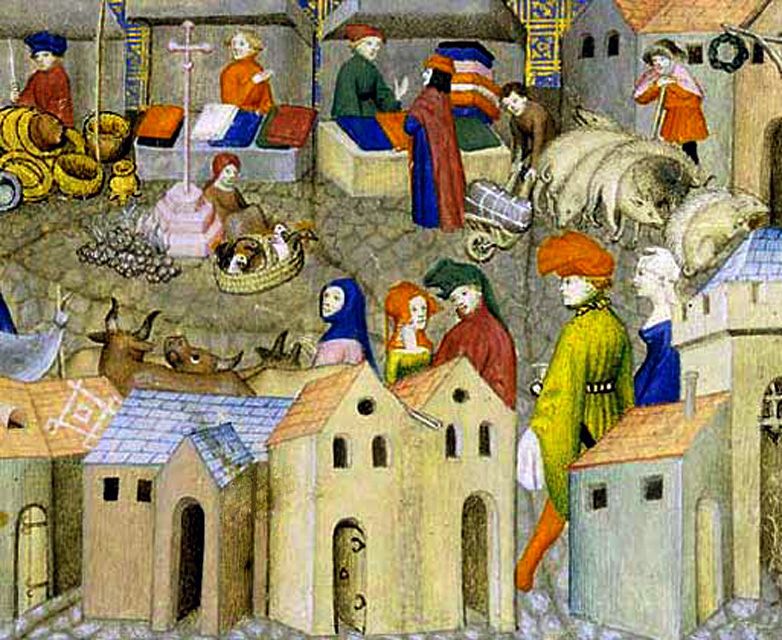
Fair scene, around 1400 (BnF, Fr. 12559) 12th–13th century
Medieval Europe · Champagne, France
The great fairs of Champagne
Six fairs followed one another through the year, protected by the Counts of Champagne. Cloth, spices and coins changed hands there, and early forms of credit were born.
Still there todayProvins, a UNESCO World Heritage site, still holds medieval festivals.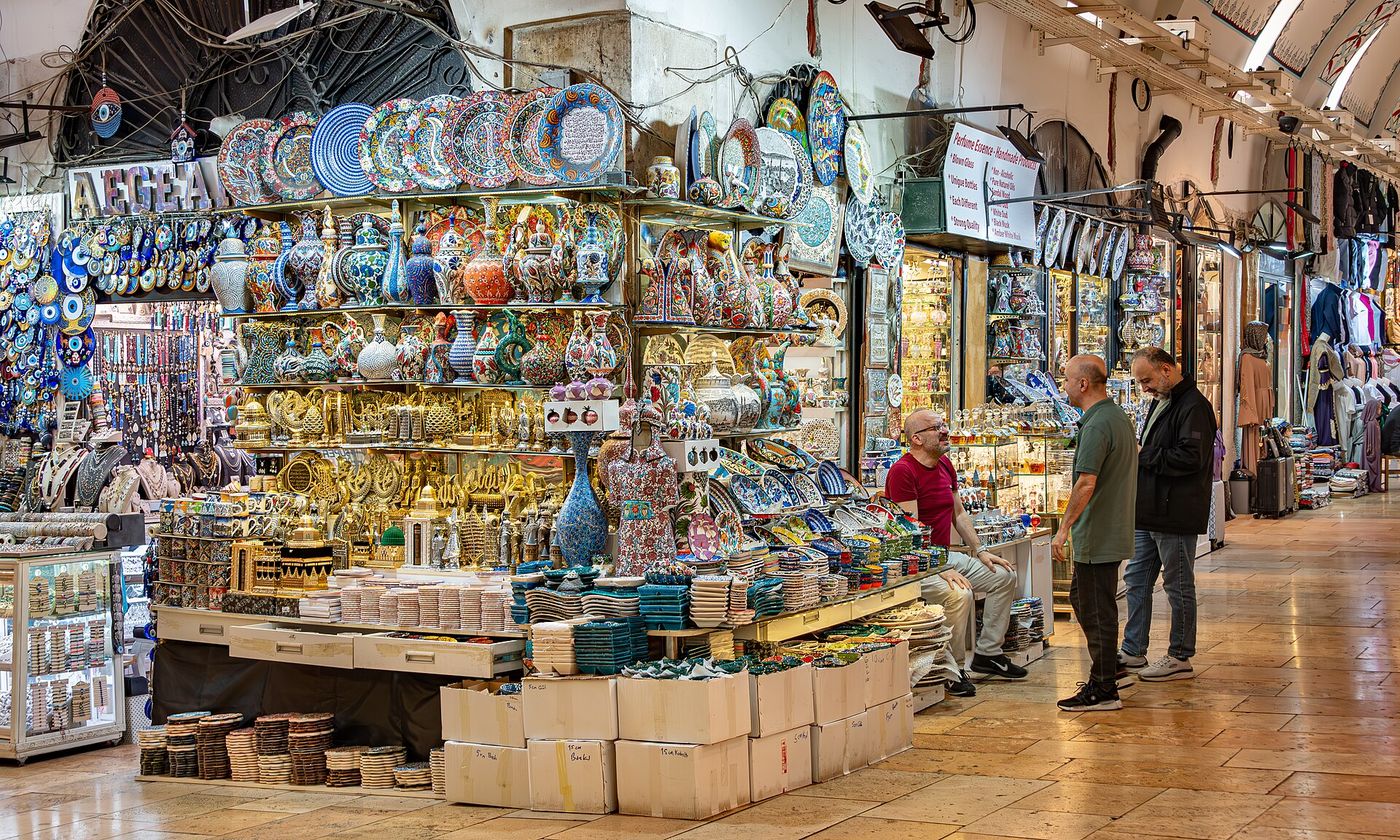
Inside the Grand Bazaar, Istanbul 1461
Ottoman Empire · Istanbul, Türkiye
The Grand Bazaar, a city within the city
Founded under Sultan Mehmed II, the Grand Bazaar grew into a covered maze of streets, fountains and caravanserais, at the meeting point of Europe and Asia.
Still there todayIt remains one of the most visited markets in the world.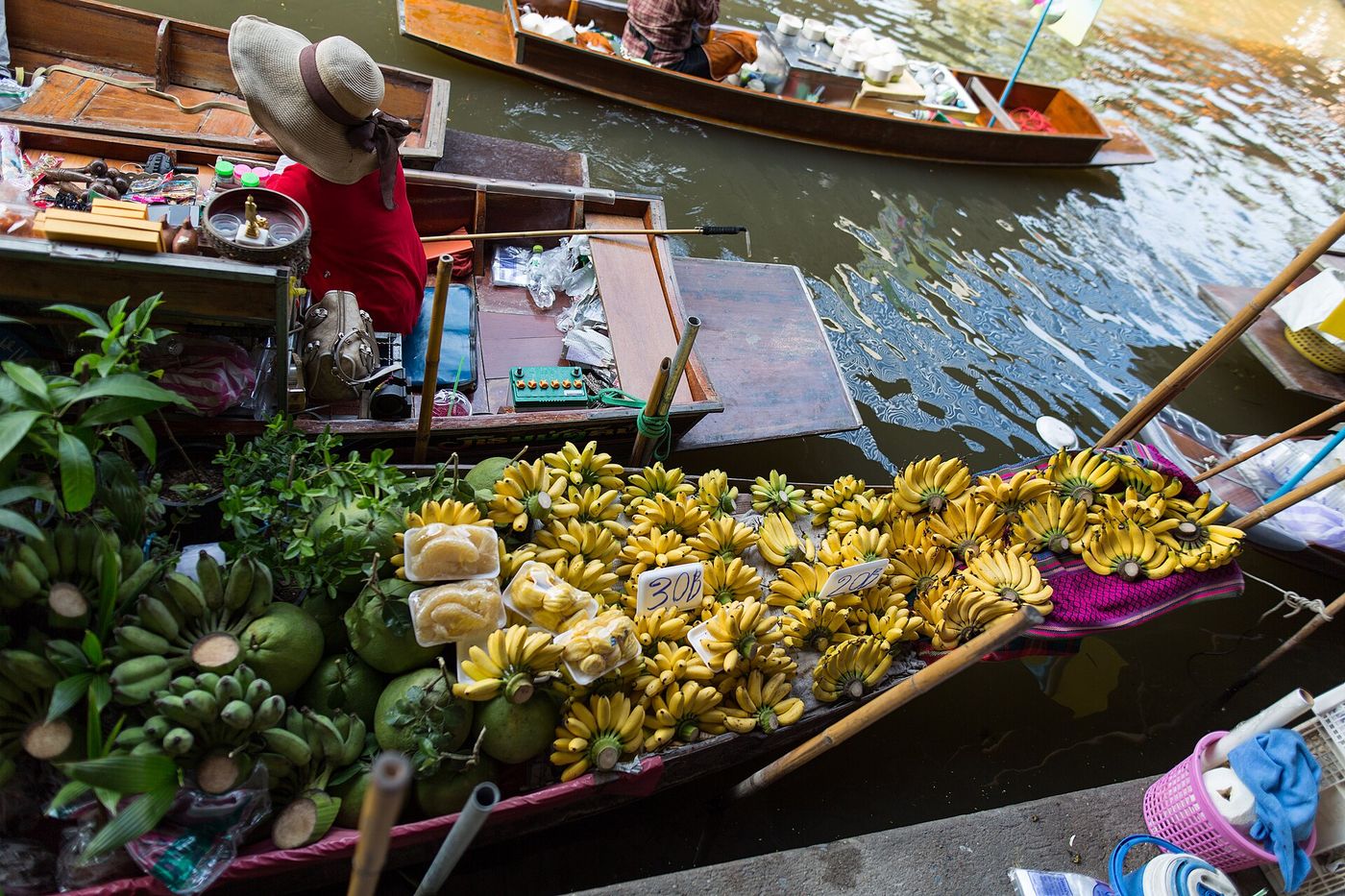
Damnoen Saduak floating market, Thailand 19th century
Asia · Damnoen Saduak, Thailand
The floating markets
Canals dug in the 1860s became trade routes: farmers paddled their harvest to market and sold it boat to boat.
Still there todayVendors still load their boats every morning.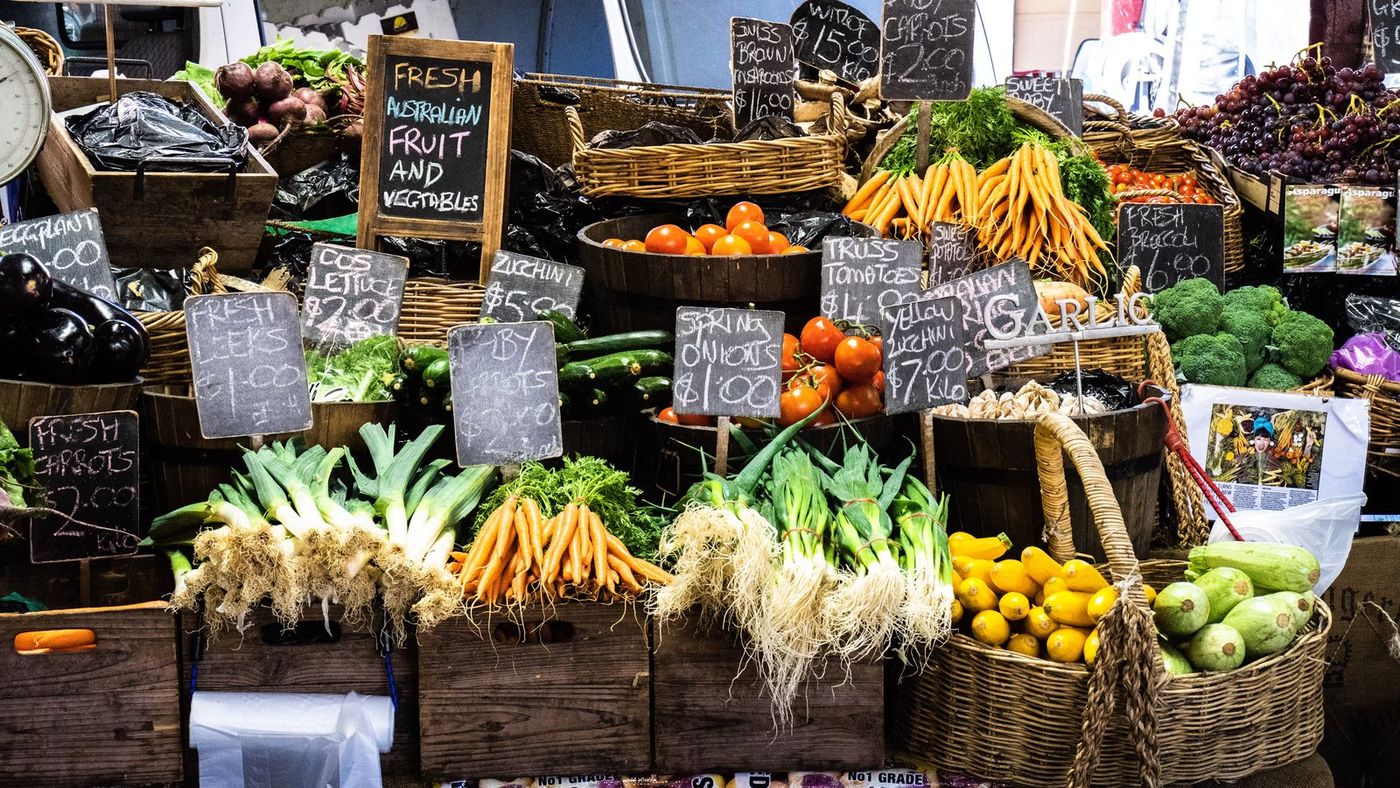
Fresh produce at a local market 2026
Today · 150+ countries
The market, connected to the world
More than 135,000 open-air markets are still active worldwide. With Glozair, their vendors sell online, offer pickup at the stall and reach customers in 16 languages.
Still there todayYour market is part of this story.
The next chapter
The living memory of the world’s markets.
Glozair carries this story forward: every stall gets an online window, every market a place on the world map — without losing what makes it unique.
« Because every stand tells a story »
Photo credits
- Trajan’s Market, Rome — Jebulon, CC0, Wikimedia Commons
- Fair scene, around 1400 (BnF, Fr. 12559) — Atelier du Maître de la Cité des dames · BnF Fr. 12559, Public domain, Wikimedia Commons
- Inside the Grand Bazaar, Istanbul — Jorge Franganillo, CC BY 4.0, Wikimedia Commons
- Damnoen Saduak floating market, Thailand — PA, CC BY-SA 4.0, Wikimedia Commons